Okay, so check this out—I’ve been juggling wallets like trading cards. Wow. For a while I was living in twenty browser tabs and a half dozen seed phrases. My instinct said: there has to be a less messy way. Hmm… and there is. The switch to a dedicated multi-chain extension changed how I use DeFi every day, and honestly it cut a lot of dumb mistakes out of my workflow.
At first I thought every wallet was basically the same: keys in, approve, done. But then I realized that small UX choices and a handful of safety features change outcomes dramatically—gas mistakes, chain confusion, and dumb approvals add up. Seriously? Yeah. On one hand it’s just software, though actually it’s the difference between an oops and a hole in your balance. Initially I shrugged. Then I lost a tiny amount because I clicked approve without checking. My bad. After that, I started digging for something that felt built for power users—not newbies—and that’s where the rabby wallet extension came into the picture.
Here’s the thing. Multi-chain isn’t a buzzword when you’re swapping between Ethereum, BSC, and some Layer 2s each day. You need transaction simulation, clear approval flows, and a quick way to toggle networks without mis-sending funds. I liked Rabby’s approach because it blends those practical bits with a clean extension workflow. It’s not perfect—no wallet is—but it reduces cognitive load. I’m biased, but that’s worth more than some shiny feature list to me.
What made me try rabby wallet
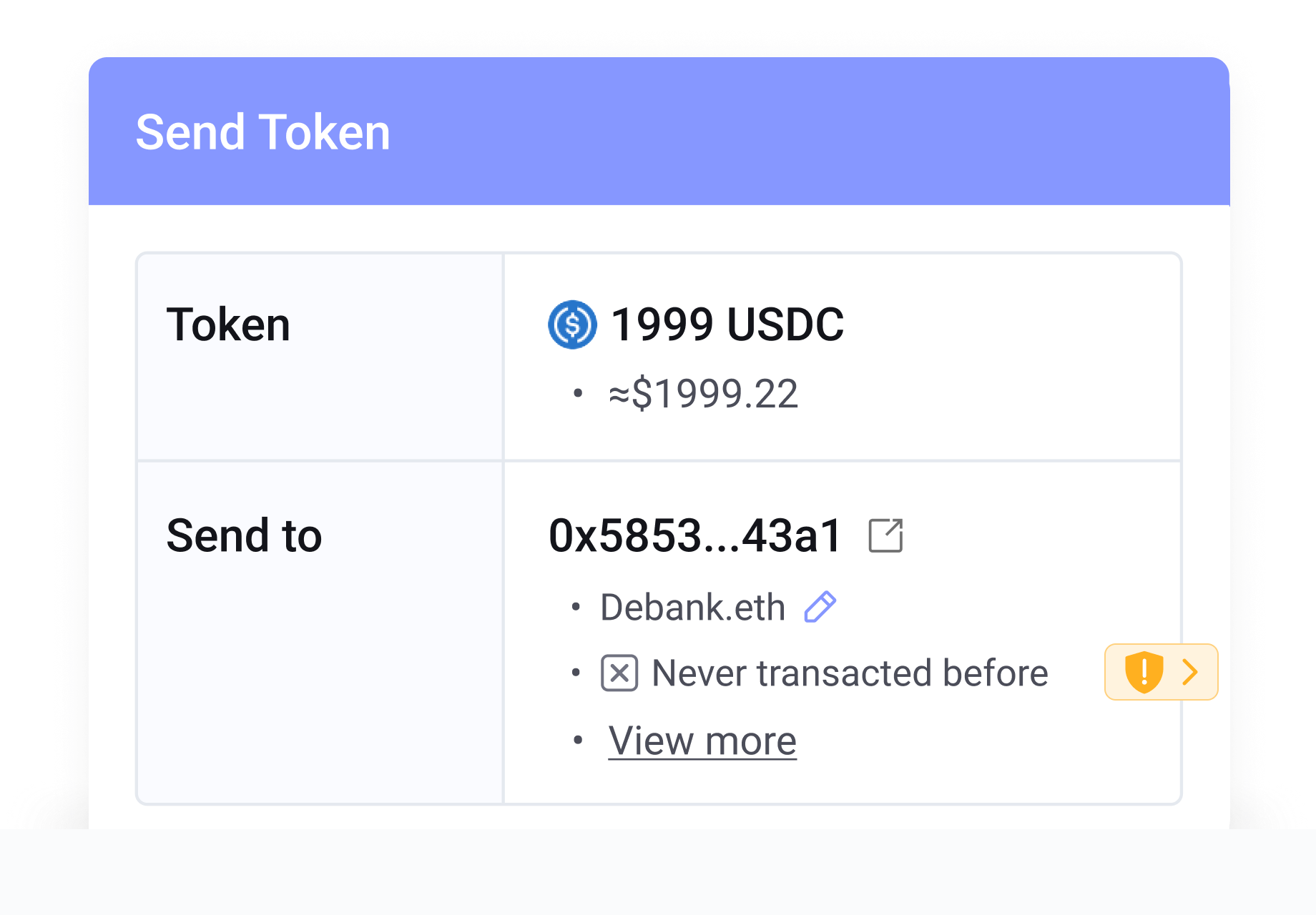
My gut said: try the one that looks like it was built by people who actually use DeFi. Whoops—there’s that emotional read again. My first impression was speed. The install was light. Then I poked around and liked the transaction simulation. Wow. That preview before hitting confirm—gas estimate, balance impacts, exactly which approvals would change—saved me from a dumb approve flow the very first day.
I’ll be honest: I also wanted a wallet that separated identities. Multiple accounts, clear naming, and ephemeral accounts for airdrops—those things matter. Something felt off about using a single account for everything. Rabby makes it easy to manage multiple accounts without jumping through hoops.
On a technical note, the extension supports Ethereum and many EVM-compatible chains out of the box, and integrates with Layer 2s. That matters when you’re bridging or arbitraging small spreads; you don’t want to fight the tool while racing the market. Initially I thought chain switching would be clunky, but then realized the flow is smooth—less chance for human error.
Key features I care about (and why they actually matter)
Transaction simulation. It’s simple but powerful. Before I clicked confirm I could see the expected result. Medium sentences: this gave me a heads-up when a contract tried to pull extra tokens or change approvals. Longer thought: because DeFi transactions can include nested calls or token approvals that are easy to miss, seeing a simulated outcome reduces the “oh no” moments that happen after you hit submit.
Approval controls. Short. Very important. You can set one-time approvals or limit allowances quickly. My instinct said set everything to max once, but experience taught me that limits save you from exploits. On one hand, convenience is tempting—though actually using allowances conservatively is a small habit that prevents big headaches.
Multi-chain convenience. Medium sentence: Toggles and networks are explicit. Complex thought: when you’re flipping between L1s and L2s, the UI needs to shout which chain you’re on, otherwise you send funds into the void (or worse, to a different chain’s account). Rabby’s clarity here reduced those near-miss moments for me.
Open account management. Short. I liked the way accounts can be named and grouped. It’s a small UX detail, but it keeps decisions clear when you’re moving funds fast.
How I actually use it in my day-to-day
Morning routine: check portfolio, simulate any pending swaps, lock any approvals that look risky. Wow. This routine cut stress. I used to approve first, think later—now I simulate first, approve if it passes the sniff test.
For bridging and chain-hopping I keep a “hot” account and an “ops” account. Medium. The hot account sees small frequent transactions; the ops account handles larger, occasional moves. On one hand that adds friction; though actually it reduces the blast radius when a dApp misbehaves.
When racing a liquidity move I rely on the extension’s gas and nonce handling. That’s a subtle thing but it’s saved me on re-sends. The tool lets me bump gas or manage pending transactions without losing my cool. This part bugs me the least—because it works.
Security posture: what they got right and what still worries me
They separate permissions nicely, and the approval UX nudges you away from mindless max approvals. Short. That’s a huge plus. Longer: the extension model still relies on the browser, so your local environment security matters—a lot. I’m not 100% sure every user knows that. If your machine is compromised, an extension can’t fully protect you. So use hardware wallets where possible, and keep your browser profile clean.
One more worry: extensions are updates away from breaking things. I check release notes. Okay, fine—tiny bit obsessive. But you should too. Medium.
Installing and trying it (practical steps)
Get the extension from a trusted source, install it to your browser, create or import accounts, then test with a tiny amount before moving larger sums. Seriously—send a tiny test transaction first. Something like $1 worth of gas will tell you if you messed up network selection.
Want to try it? I found more than enough to recommend the download and hands-on testing. You can learn more about features and get the extension via this link: rabby wallet. Try it with a throwaway amount, and see how the simulation and approval controls feel in your own workflow.
FAQ
Is rabby wallet safe for large holdings?
Short answer: use it with hardware wallets for large holdings. Medium: Rabby adds good UX-level protections, but the browser environment has risks. Long thought: combine the extension for frequent interactions with a hardware signer for vault-level safety—this hybrid approach keeps convenience without sacrificing long-term security.
Does it support all EVM chains?
Mostly yes—Ethereum, BSC, Polygon, and several Layer 2s are supported out of the box. But check the chain list before heavy use; some niche chains might need manual RPC setup. My instinct says it’ll cover 90% of active DeFi workflows though.
Can I use it with a hardware wallet?
Yes. Pairing with a hardware wallet is recommended if you hold significant funds. It keeps your private keys offline while letting the extension handle day-to-day interactions. Very useful for power users who still want the browser convenience.